





What insurance companies don't want you to know.
Adjusters follow internal manuals built to minimize your payout. We've read them. Here's how the game is really played.
The adjuster is not your friend.
They sound sympathetic—but they're measured by how much they save the company, not by treating you fairly. Every friendly question is gathering information to reduce your claim.
The recorded statement trap.
That "routine" statement gets analyzed for any inconsistency they can use against you—months or years later—to cut what they owe.
The "reasonable" first offer.
It's calculated to be just high enough that you accept—and just low enough to save them serious money. If they offer without hesitation, there is more.
They offered less.We fought for more.
A client came to us holding a $12,500 "final" offer. We rebuilt the claim, documented every damage, and made the insurer pay what the case was actually worth.
What actually happensafter you hire us.
Most of your case happens where you can't see it. Here's the honest month-by-month—so you're never left wondering.
We take over the phone calls.
Letters of representation go to every insurer—from now on they call us, not you. Preservation letters lock down vehicles, video, and data before it disappears. You focus on one job: medical treatment.
The invisible work.
Crash reports, witness statements, scene photos, medical records as they're generated. You'll see it accumulate in your client portal. This phase lasts as long as your treatment does—settling before your medical picture is complete is how claims get underpaid.
The demand package lands.
Everything—liability evidence, bills, future-care projections—assembled into a demand so complete the adjuster has no room to say no. Then negotiation: their lowball, our counters, every offer reported to you. You decide whether to accept. Always.
We file suit.
Most cases settle before this. But the reason our demands get taken seriously is that every case was built for a courtroom from day one—and the carriers know which firms actually go. Litigation adds months, and often adds multiples.
Your case, in your pocket.
Case Status Tracker
See exactly where your case stands, any time.
Secure Document Upload
Send records and photos safely in seconds.
Efficient E-Signatures
Sign paperwork from your phone—no printer.
Direct Deposit
Faster payments straight to your account.

Chi-Hung David Nguyen
"Prepare every case for trial. It's the only way to negotiate from strength."
Licensed since 2015 and recognized as a Texas Super Lawyer, Chi has personally recovered more than $200 million for injury victims—car, truck, wrongful death, and catastrophic injury.
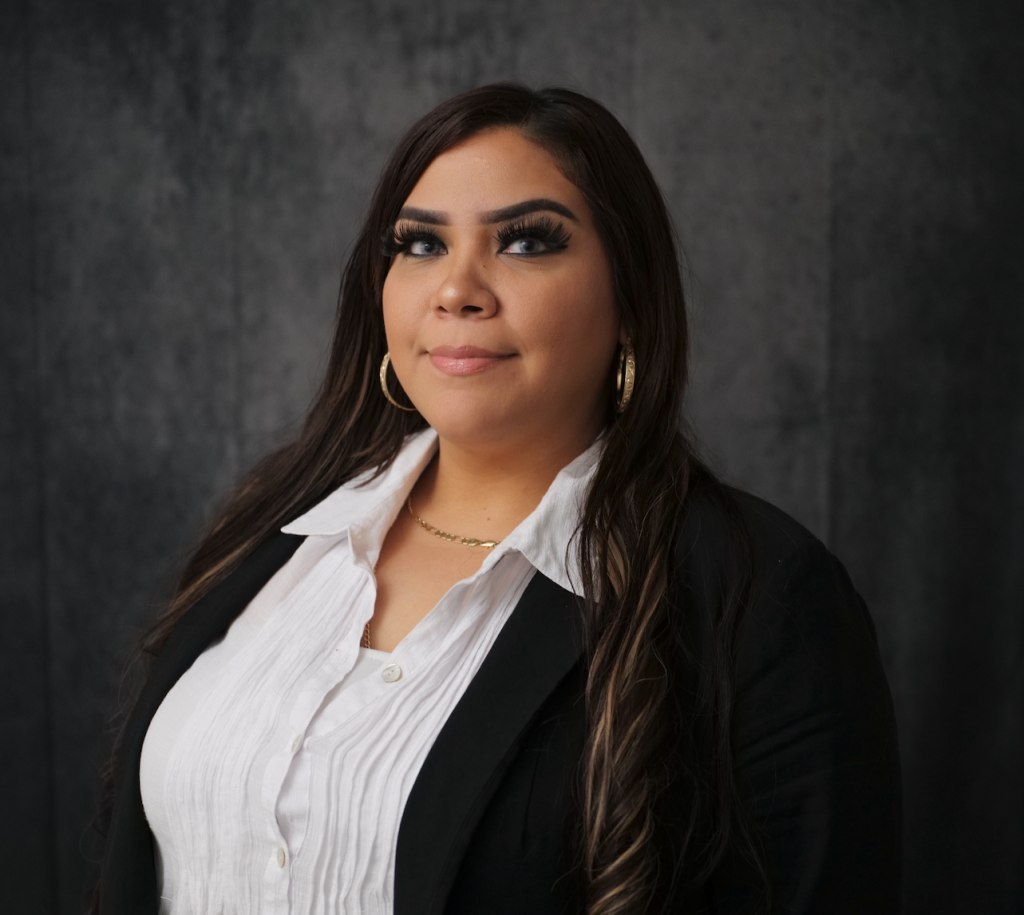
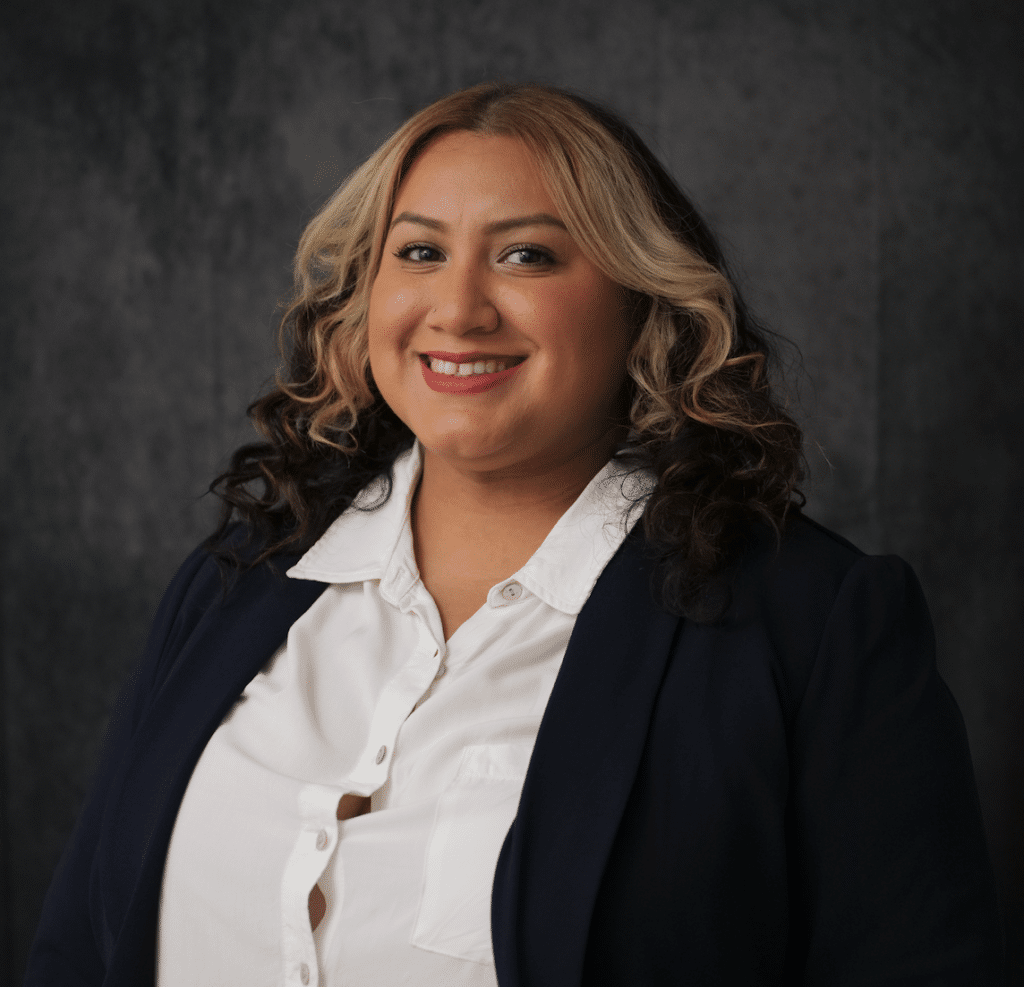
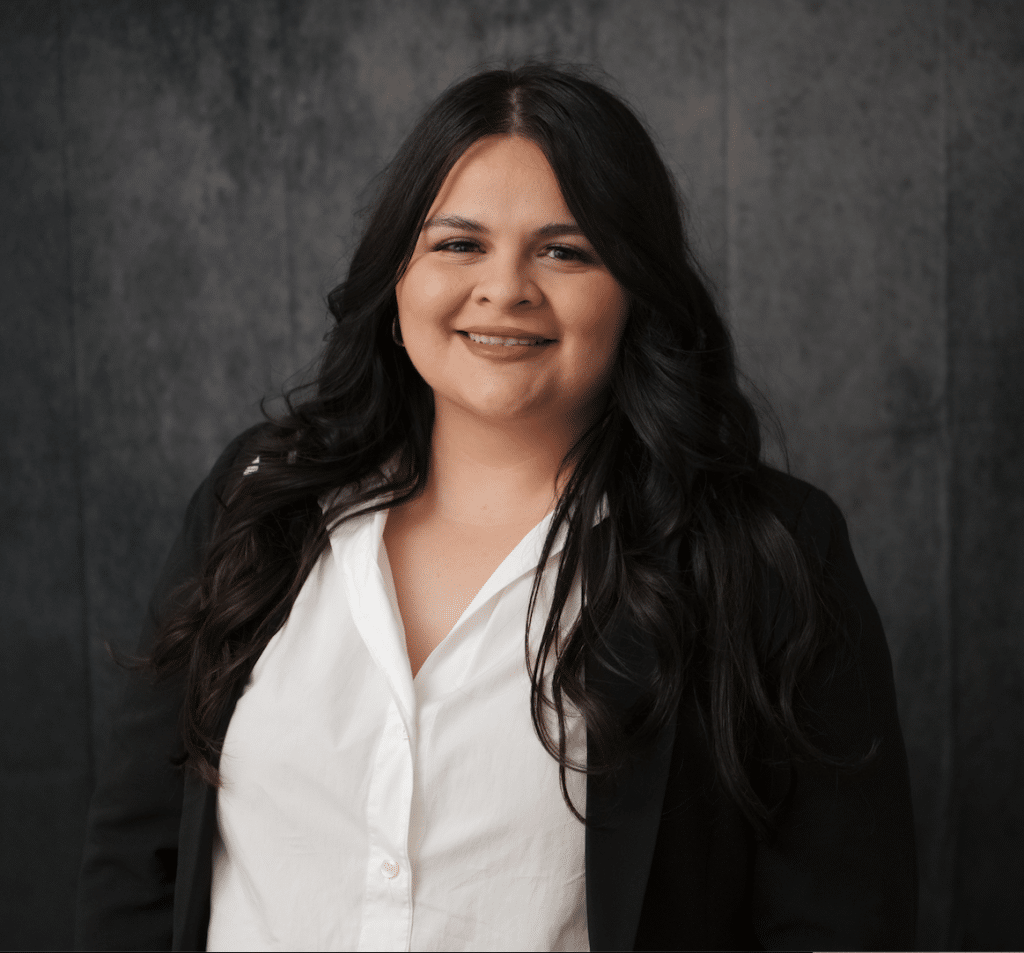
Read Chi's full background → ▶ Watch Chi's storyA team built to win for you.







What wehandle.
Car Accidents
From the 610 Loop to the Sam Houston Tollway. We rebuild the claim the insurer hoped you would not.
The first 72 hours +
Photograph everything, get medical care the same day, and give the insurer nothing but your attorney’s name. Those three moves protect most of your claim’s value.
What your claim covers +
Future treatment, lost wages and earning capacity, property damage, and pain and suffering—not just the ER bill they want to reimburse.
Why first offers are low +
They are calculated to tempt you before you know your medical picture. Once you sign a release, the claim is closed forever.
Truck & 18-Wheeler
Federal regulations, corporate defendants, and evidence that disappears fast—we move faster.
Why trucking cases are different +
Driver logs, black-box data, and maintenance records are controlled by the carrier—and they deploy response teams within hours. Preservation letters have to go out immediately.
Who can be liable +
The driver, the carrier, the shipper, even the maintenance contractor. More defendants often means more available coverage.
The evidence window +
Electronic logging data can be overwritten in days. The sooner we are hired, the more of the record survives.
Motorcycle Accidents
Riders get blamed by default. We flip that presumption with physical evidence and witnesses.
Beating rider bias +
Adjusters and juries assume the rider was reckless. Scene reconstruction, helmet-cam footage, and witness statements rebut it.
Comparative fault +
Texas lets you recover if you are 50% or less at fault—your award is reduced by your share. They inflate your percentage on purpose; we push it back down.
Uber & Lyft
Rideshare claims bounce between the driver’s policy and the platform’s. We pin down the right one.
Whose insurance pays? +
It depends on the app status at the moment of the crash—offline, waiting, en route, or on a trip. Each tier has different coverage, and carriers point fingers at each other.
Passengers & third parties +
Injured passengers, other drivers, and pedestrians can all have claims against the platform’s policy.
Wrongful Death
No settlement restores a life. What it can do is hold the responsible party fully accountable and secure your family’s future.
Who can bring the claim +
In Texas: the surviving spouse, children, and parents—individually or together. The estate can also bring a survival claim for the loss endured before death.
What can be recovered +
Lost earning capacity and support, loss of companionship, mental anguish, and—in gross-negligence cases—punitive damages.
Spinal Cord Injury
A lifetime of care priced into one settlement—which is exactly why insurers fight these hardest.
Valuing lifelong care +
Life-care planners and economists project decades of treatment, equipment, and lost earnings—so the demand reflects the whole future, not the first year.
Why they fight hardest +
Six- and seven-figure exposure makes carriers litigate. A firm that folds before trial cannot get full value on these cases.
Slip & Fall
Property owners owe you a safe premises. Proving they knew about the hazard is the whole game.
What we prove +
That the owner knew—or should have known—about the hazard: inspection logs, surveillance footage, prior incident reports, and employee statements.
Act fast on video +
Store surveillance is routinely overwritten within days. A preservation letter on day one can be the difference between a case and a dismissal.
Pedestrian & Bicycle
Drivers rarely admit fault against a person on foot or on a bike. The physical evidence testifies for you.
Disputed-fault cases +
Crosswalk timing, sight lines, vehicle damage patterns, and phone records reconstruct what the driver won’t admit.
Coverage you may not know you have +
Your own uninsured-motorist policy can cover you as a pedestrian—even though you weren’t in a car.
Workplace & Industrial
Texas lets employers opt out of workers’ comp—and non-subscribers can be sued directly for negligence.
Non-subscriber claims +
If your employer opted out of workers’ comp, they lose their best defenses—even 1% of fault on them can mean full liability.
Third-party claims +
Equipment makers, contractors, and property owners can be liable alongside your employer—often with separate insurance policies.
In our clients'
words.
Backed by five-star client reviews
"They turned a $12,500 offer into a $40,000 settlement. Chi's team handled everything while I focused on healing."
"After a truck hit me on I-10, the insurance company ignored me. The Nguyen firm made them pay attention—and pay up."
"Available around the clock, honest about my options, and relentless in negotiations. I felt like family, not a case number."
What could yourcase be worth?
A rough starting range—real case value depends on liability, insurance limits, and the full extent of your damages. That's what the free consultation is for.
Estimate only—not legal advice and not a guarantee of outcome. Every case is different.
 Call (713) 747-7777